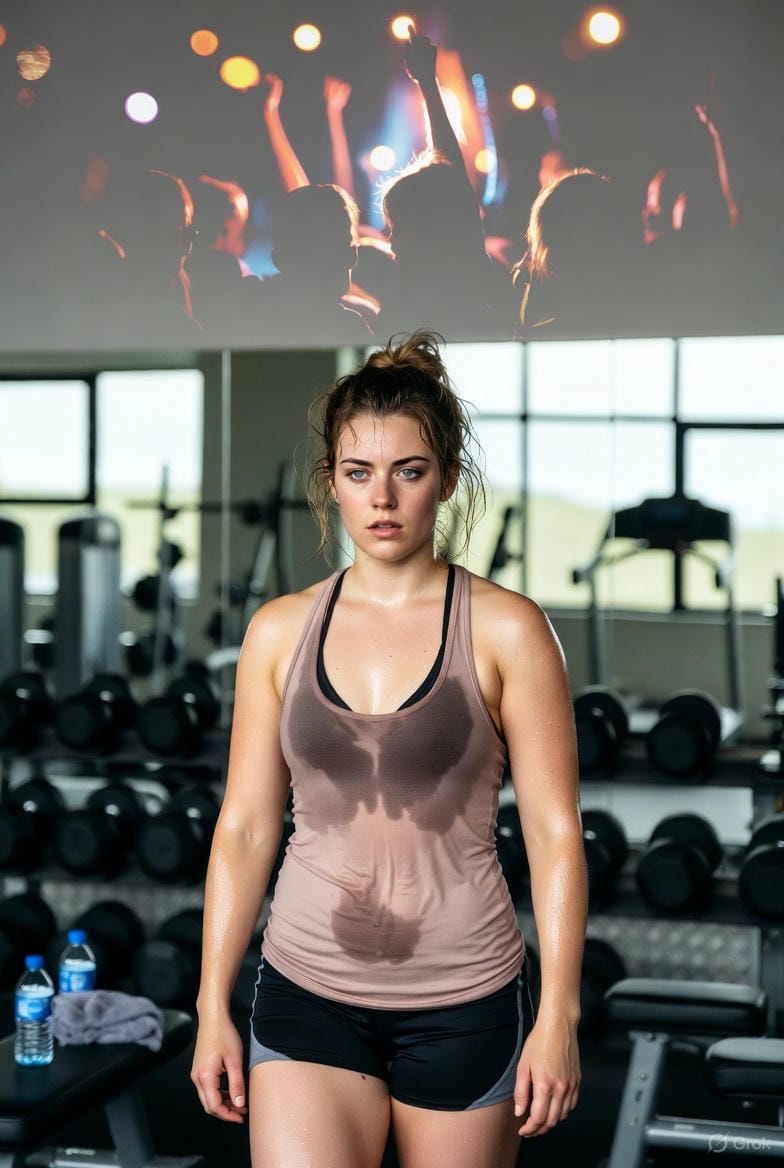

How to Train the Day After a Big Night Out (And Not Hate Yourself)
We’ve all been there. You had “just one drink” that turned into ten, the Uber home is a blur, and now your alarm is screaming at you to hit the gym. Your head feels like a construction site, your stomach is staging a protest, and the idea of a barbell sounds like cruel and unusual punishment.
Good news: You don’t have to skip training completely. With the right strategy, you can still get a productive session in, speed up recovery, and teach your body to bounce back faster next time.
Here’s the no-BS playbook I use with clients (and myself) after a big night.
Step 1 – Rehydrate Like Your Life Depends On It
Alcohol is a diuretic. You didn’t just lose water; you lost electrolytes that control everything from muscle contractions to brain fog.
Do this the moment you wake up:
- 500–1000 ml water + generous pinch of sea salt + squeeze of lemon (or use an electrolyte packet)
- Keep a big bottle next to your bed before you even go out next time (future-you will thank you)
- Alternate every alcoholic drink with water while you’re out (yes, you’ll pee a lot, but you’ll feel 10× better)
Step 2 – Eat Before You Even Think About Training
Training fasted when hungover is a rookie mistake. Your liver is already working overtime processing alcohol; don’t make it run on fumes.
Quick, gentle options:
- Eggs + avocado on toast
- Oatmeal with banana, peanut butter, and a scoop of protein powder
- Greek yogurt + berries + honey
Carbs + protein + fat + sodium = magic.
Step 3 – Lower the Ego, Raise the Blood Flow
Your max squat is not happening today. Accept it. The goal shifts from “performance” to “damage control and recovery.”
Sample Hungover Training Templates
Option A – “I Feel Like Death” (20–30 min)
- 5–10 min light bike or brisk walk (get sunlight if possible)
- 3–4 rounds of:
- Bodyweight squats x 20
- Push-ups (or knee push-ups) x 10–15
- Band pull-aparts or light dumbbell rows x 20
- 20–30 sec plank
- Finish with 10 min easy cardio + stretching
Option B – “I’m Rough but Functional” (45–60 min)
- Cut all working weights to 60–70% of normal
- Shorten rest periods (90 sec instead of 3 min)
- Use higher reps (10–15 instead of 3–6)
- Example: Instead of 5×5 squat at 80%, do 4×12 at 55–60% with perfect form
- Add 10–15 min of zone 2 cardio at the end (incline walk, rower, bike)
Option C – Lift Heavy Anyway (Only if you’re experienced and feel decent) Some people (myself included) actually have great workouts hungover because of the adrenaline and carb depletion. Know thyself. If you go this route, warm up extra thoroughly and stop if form breaks.
Step 4 – Active Recovery Boosters
- 5–10 min sauna or hot shower + cold plunge/shower if you have access
- Light foam rolling or lacrosse ball work (especially upper back and hips)
- 200–400 mg ibuprofen if inflammation is bad (but don’t make this a habit; it blunts some training adaptations)
- Caffeine – yes, but strategically (one strong coffee 30–60 min pre-workout, not five Red Bulls)
Step 5 – The Mental Win
Showing up when you feel terrible is one of the biggest separators between people who make consistent progress and people who don’t. A “bad” workout still beats the zero you get on the couch, and it kick-starts glycogen replenishment and endorphin release.
Pro Tips for Next Time
- Never go out completely glycogen-depleted. A carb-heavy meal 2–3 hours before drinking helps enormously.
- Take 1000–2000 mg vitamin C + magnesium + B-complex before bed (reduces next-day inflammation).
- Sleep > everything. If you only got 4 hours, maybe just walk and call it a day.
Bottom line: One night out doesn’t ruin a training block. Skipping the gym out of guilt or shame does.
Drag yourself in, move some blood around, drink your water, and get back on track tomorrow. Your future self (and your lifts) will thank you.
Now go suffer – productively.
— (Feel free to slap your name/logo on this and tweak it for your audience. It works equally well for CrossFit, powerlifting, or general fitness clients.)